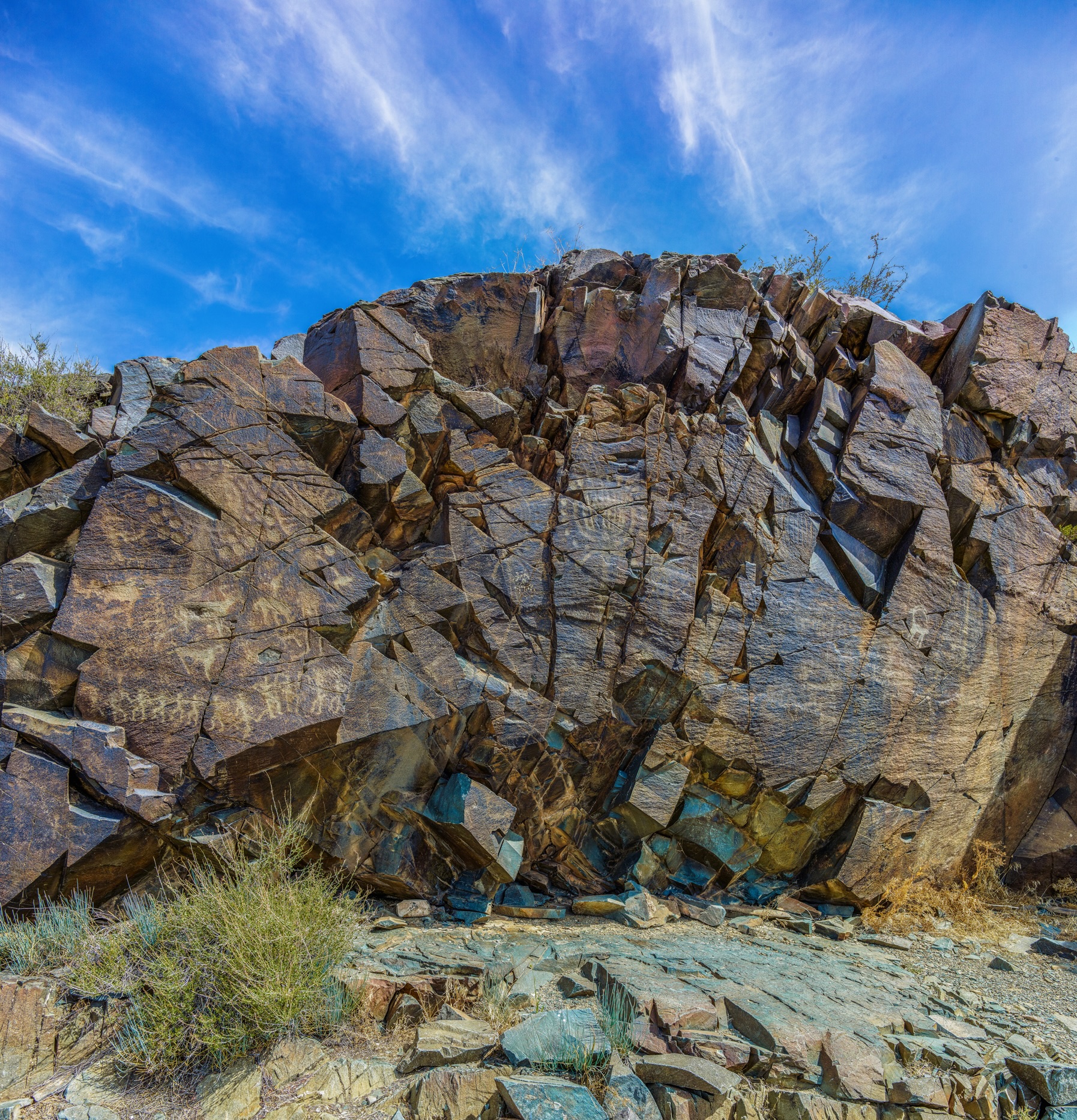
«Tanbaly» State Historical, Cultural and Natural Museum-Reserve
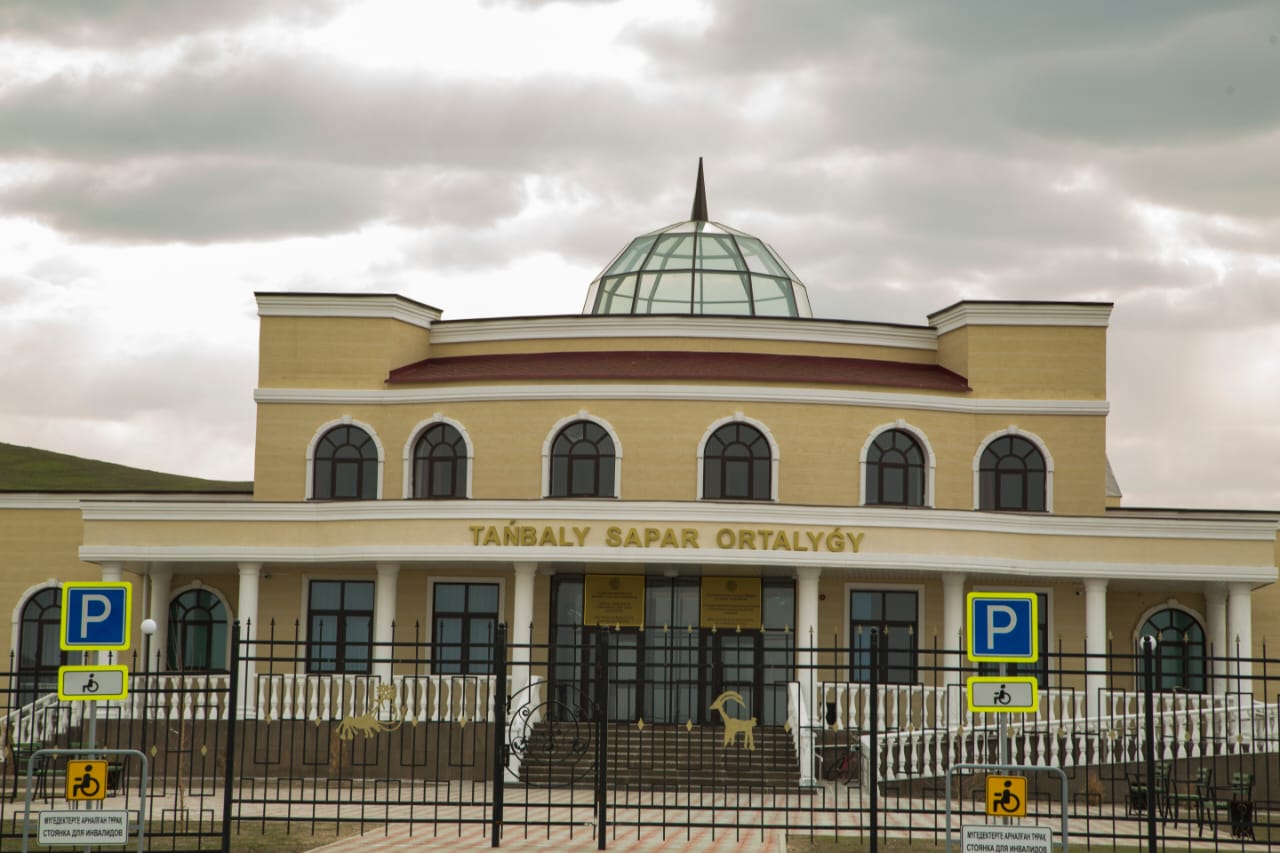
The Tanbaly State Historical, Cultural and Natural Museum-Reserve is located 160 kilometers northwest of Almaty. It is a unique and highly valuable archaeological complex that includes settlements and burial sites dating from the Bronze Age (approximately 4,000 years ago) to the early 20th century.
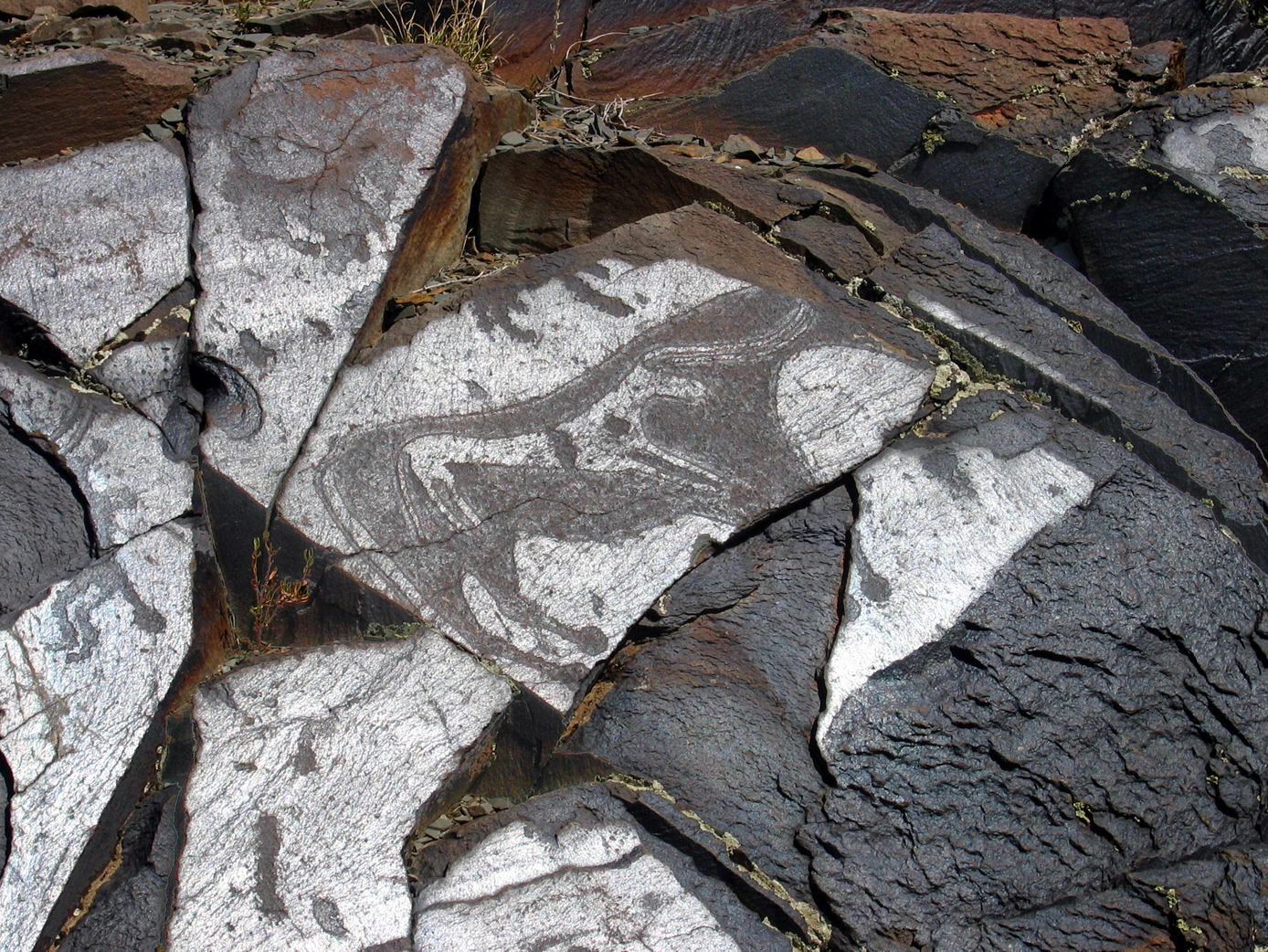
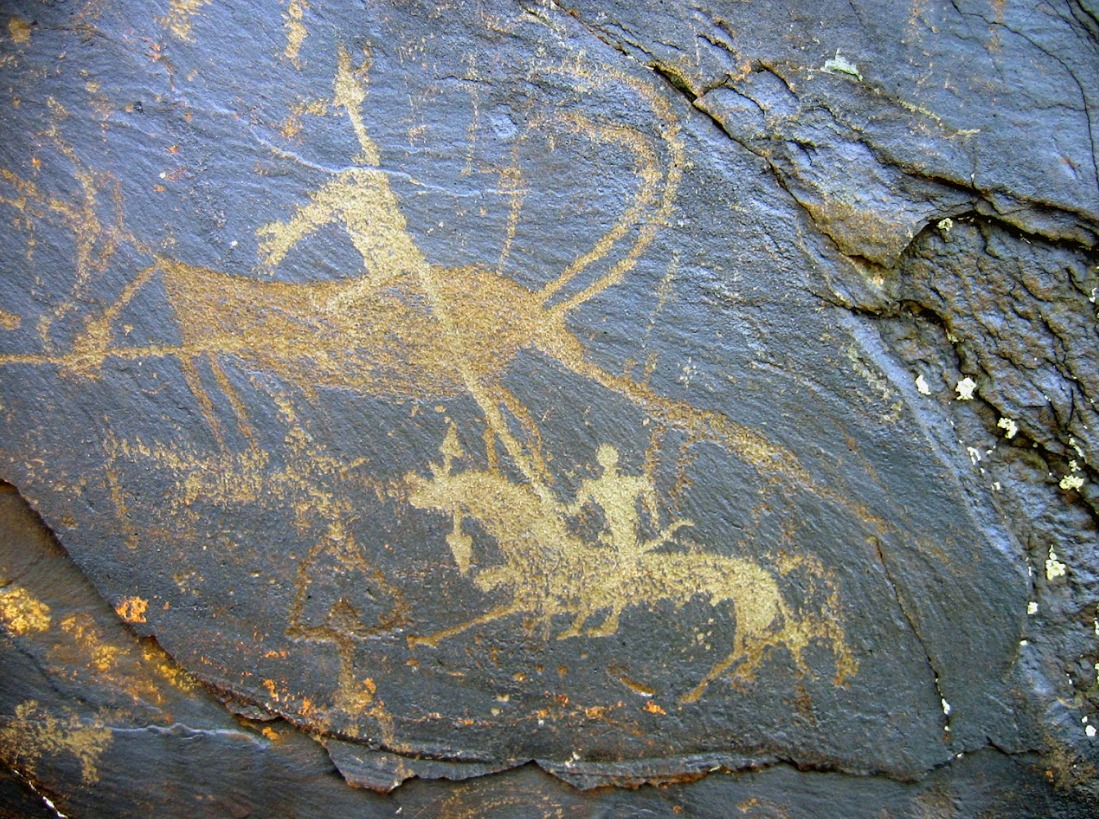
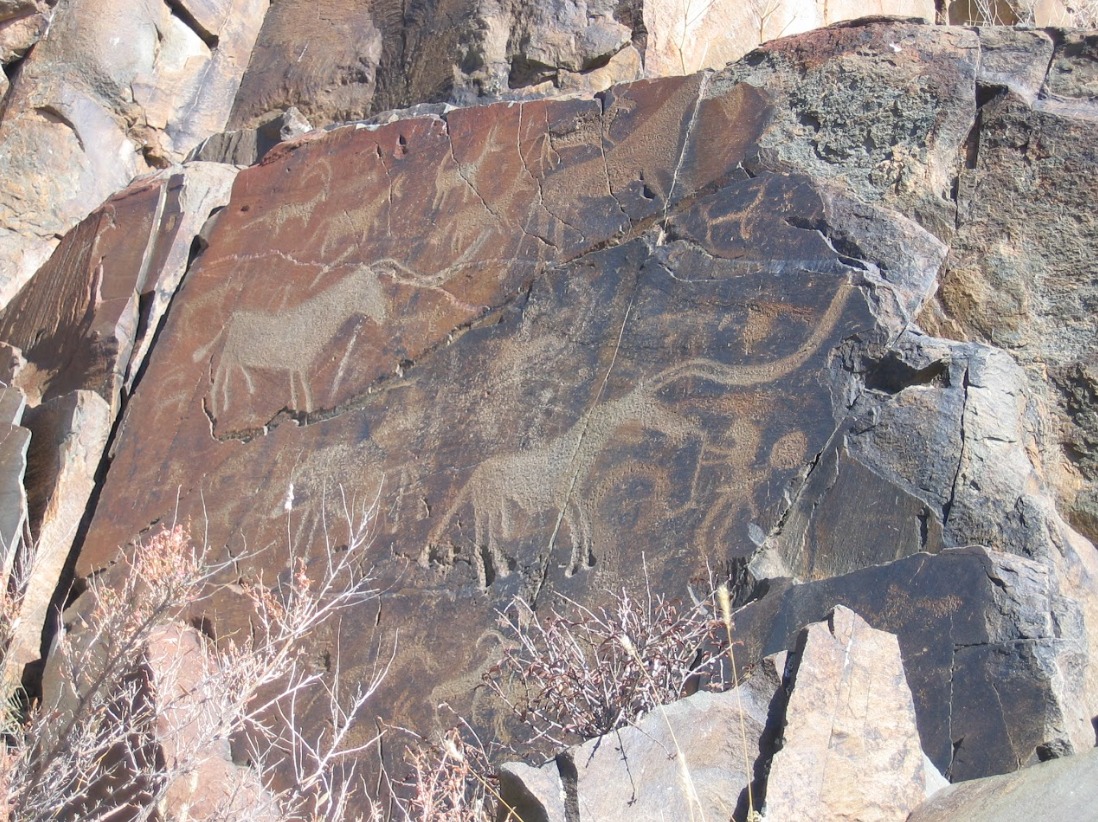
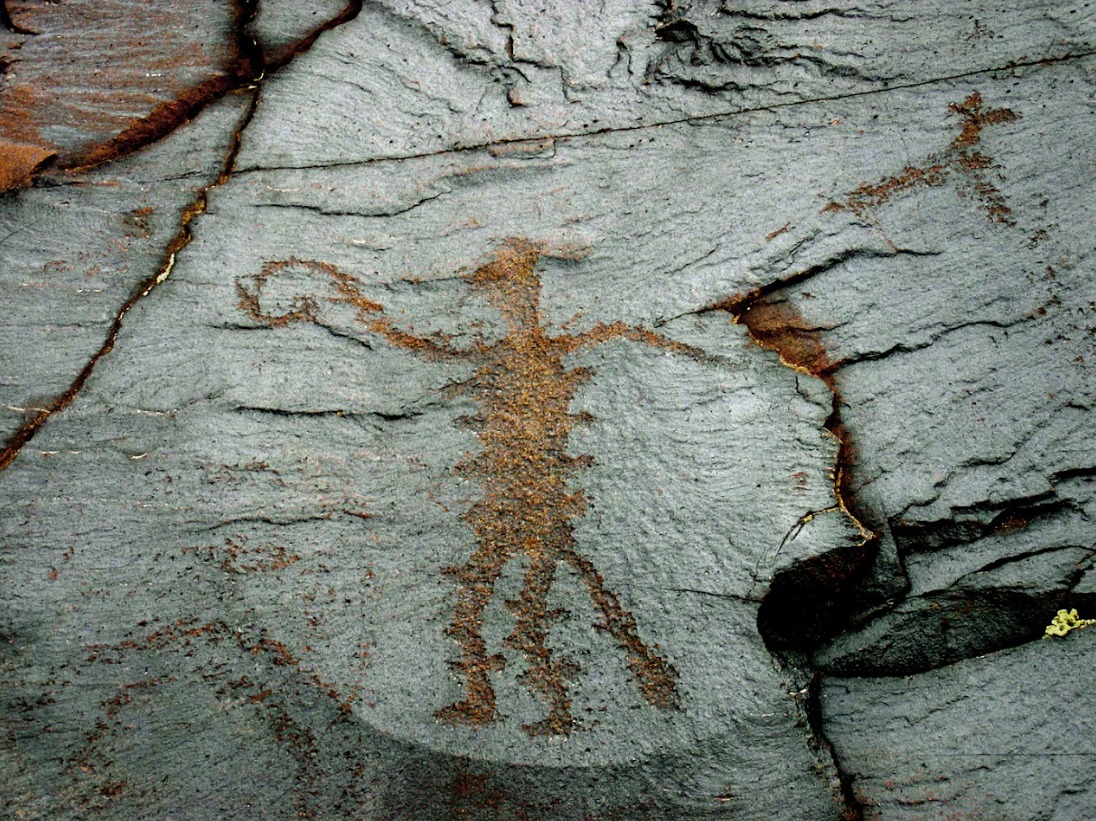
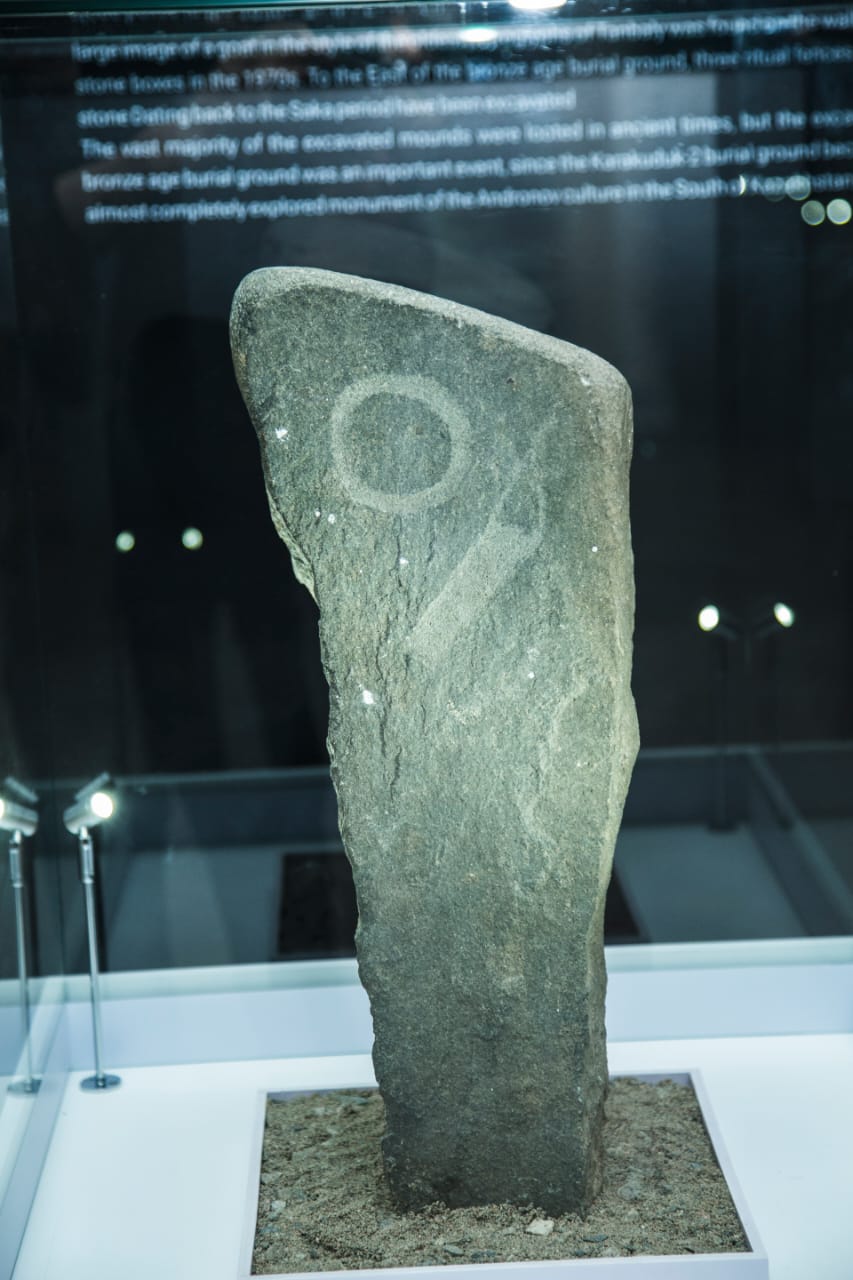
The name «Tanbaly» comes from its most remarkable feature - rocky gorges covered with thousands of petroglyphs. These images, carved into dark, patina-covered rock surfaces, are located in the open air and represent a true archive of human thought and belief. More than 5,000 petroglyphs have been identified within the complex.
By Resolution No. 1052 of the Government of the Republic of Kazakhstan dated October 14, 2003, the Tanbaly State Historical, Cultural and Natural Museum-Reserve was officially established in the Zhambyl District of Almaty Region under the Ministry of Culture and Information of Kazakhstan.
On June 30, 2004, the archaeological landscape with petroglyphs of Tangaly was inscribed on the UNESCO World Heritage List. The total protected area of the museum-reserve covers 3,800 hectares, including 900 hectares of strictly protected land and a 2,900-hectare buffer zone.
The Tanbaly complex is situated in the southwestern part of the Chu-Ili Mountains, which divide the basins of Lake Balkhash and the Chu River, within the foothill plains of the Northern Tien Shan characterized by a semi-desert steppe landscape. Nearly one hundred archaeological sites from different periods have been identified within the complex, including settlements, burial mounds, and rock art dating from the mid-14th-13th centuries BCE to the 19th-20th centuries CE. The central area of the complex served in ancient times as a sacred place of sun and fire worship.
Strictly prohibited within the Tanbaly Museum-Reserve territory:
• entering the protected historical, cultural, and natural area without proof of payment;
• leaving designated excursion trails and tourist routes;
• parking vehicles or mechanical equipment outside authorized areas;
• lighting fires;
• setting up camps or tents outside designated locations;
• cutting, damaging, or using trees and shrubs for domestic purposes;
• destroying or damaging natural, historical, cultural, or archaeological monuments;
• damaging informational or navigational signs;
• writing or drawing on trees, stones, or rock surfaces;
• polluting the soil with household waste or debris;
• collecting or removing plants, minerals, stones, or other natural objects;
• using drones or other aerial devices without prior permission;
• entering restricted zones or protected sites, including archaeological and historical monuments;
• failing to comply with instructions from guides or security personnel;
• conducting excursions without museum staff supervision or in violation of established routes and regulations.