«Берел» мемлекеттік тарихи-мәдени музей-қорығы
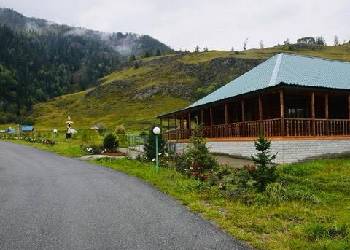
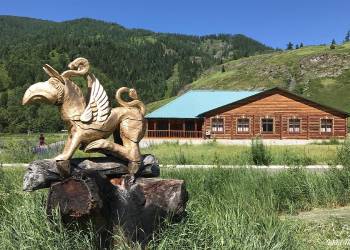
Шығыс Қазақстан облысы, Катонқарағай ауданының Берел ауылы маңында орналасқан «Берел» мемлекеттік тарихи-мәдени қорық -мұражайы 2008 жылғы 4 шілде Қазақстан Республикасы Үкіметінің № 674 Қаулысымен «Берел» мемлекеттік тарихи-мәдени музей-қорығы» республикалық мемлекеттік қазыналық кәсіпорны болып ашылды.
Берел – Отанымыздың теңдесі жоқ органикалық олжалар сақталған жалғыз ескерткіш.
Сақ кезеңіне жататын қорғандардың ең көнесі б.з.б. – IV-III ғасырлармен белгіленеді, бұл шамамен 2400-2300 жыл бұрын, ал ең соңғы ежелгі түрік заманындағылары - б.з. VII-VIII ғғ., бұл шамамен 1200-1300 жыл бұрын.
1998-1999 жылдары жүргізілген қазба жұмыстардың нәтижесінде қолдан жасалған мәңгі мұздықтағы № 11 «Патша қорғанынан» сақ көсемі мен әйелдің және ер тоқымымен бірге жерленген 13 жылқының мүрдесі табылды, оған қоса патшаның салтанат киімі, мініс аттардың ат әбзелдері, ағаштан, былғарыдан, киізден аң стилінде жасалған мыңнан астам қолөнер жәдігерлері шірімей сақталған қалыпында табылды.
2017 жылы қазба барысында №5 сақ қорғанынан екі жылқымен бірге жерленген әйел адам мүрдесі табылған еді. Жерленген адамның жерлеу киімдері ерекше бай безендірілген, жанындағы әшекей бұйымдары мен жапсырмалары алтын фольгалармен қапталған. Бұдан бөлек бас киімі мен тонының қалдықтары жақсы сақталып қалған. Осыдан ақ жерленген әйелдің көшпелі ақсүйектердің өкілі екендігін байқауға болады.
Заттай деректер Берел қорымы Пазырық мәдениетінің орта (б.з.б. 5 ғасыр) және соңғы (б.з.б. 5–4 ғасырлар) кезеңінде салынғанын дәлелдейді.
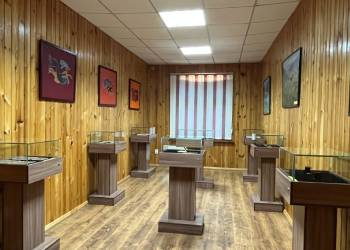
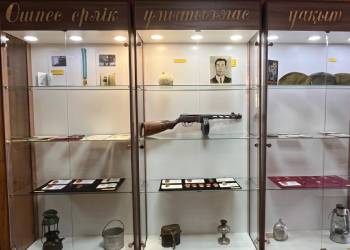
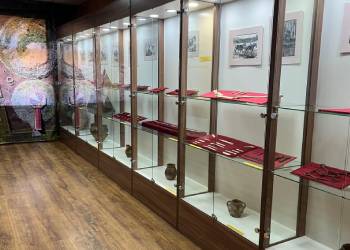
Музейде 5 көрме залы бар. Олар:
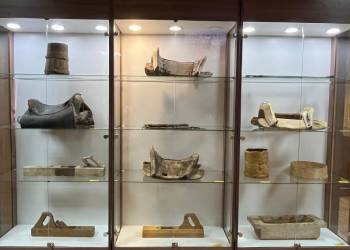
1 «Археология залы» Бұл залда сақ кезеңінің түпнұсқа жәдігерлерімен, тұрмыстық заттар, жылқы әбзелдерімен танысуға болады.
2 «Түркі залы» Бұл залда түркі кезеңіне жататын әр-түрлі жәдігерлер, әшекейлер, қару-жарақтармен танысуға болады.
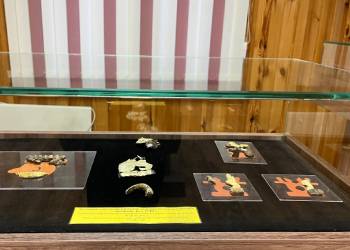
3 «Алтын залы» бұл залда Берелден табылған сақ кезеңінің қымбат металлдардан жасаған жапсырмалары мен түрлі бұйымдарын көруге болады.
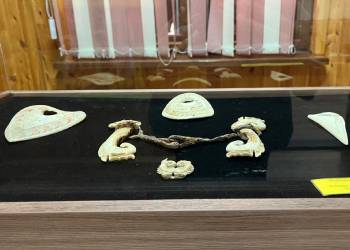
4 «36 қорған» атты зал. Мұнда Сақ кезеңіне жататын тек қана сүйектерден (марал мүйізінен) жасалған жылқы әбзелдерінің әшекей бұйымдарын көруге болады. Алтайды мекен еткен мемлекеттердің ішінде тек қана Қазақ Алтайынан Берелден табылған құнды жәдігерлер келушілер назарына ұсынылуда.
5 «Берел жылқысы» экспозициясы. Бұл жерде Берел жылқысының көшірмесі бүкіл жарақтарымен бірге қойылған. Экспозиция сол замандағы тұрмыстық мәдени өмірдің қалай дамығандығын көрсетеді.
Сондай-ақ «Патшалар жазығында» орналасқан, музейлендірілген атақты №11 қорғанды тамашалауға болады.
Қорық-мұражайдың құрылу мақсаты оның құрамына кіретін тарих және мәдениеттің археологиялық ескерткіштерін олардың ішкі көріністерімен, тарихи қалпында және онымен байланысты аумақтарды қол тимеген түрде сақтау және қатаң ғылыми негізде қайта қалпына келтіру, аса көркем, мәнерлі ғылыми экспозициялардың түпнұсқалық мұражай жинақтары негізінде жылжымайтын ескерткіштер жасау болып табылады.
Музейге тегін кірушілер:
- Ұлы Отан соғысы және Ауған соғысы ардагерлері, оларға теңестірілгендер.
- 1-2 топтағы мүгедектігі бар азаматтар мен оларды алып жүрушілер.
- 3-топ мүгедектігі бар азаматтар 50% жеңілдік
- Көп балалы аналар, «Батыр ана» атанғандар, құжаттарын көрсеткен жағдайда.
- Балалар үйінің тәрбиеленушілері.
- Әскери борышын өтеп жүрген азаматтар.
- 7 жасқа дейінгі балалар.
- мектеп оқушылары тоқсандық және жазғы демалыс кезеңінде.